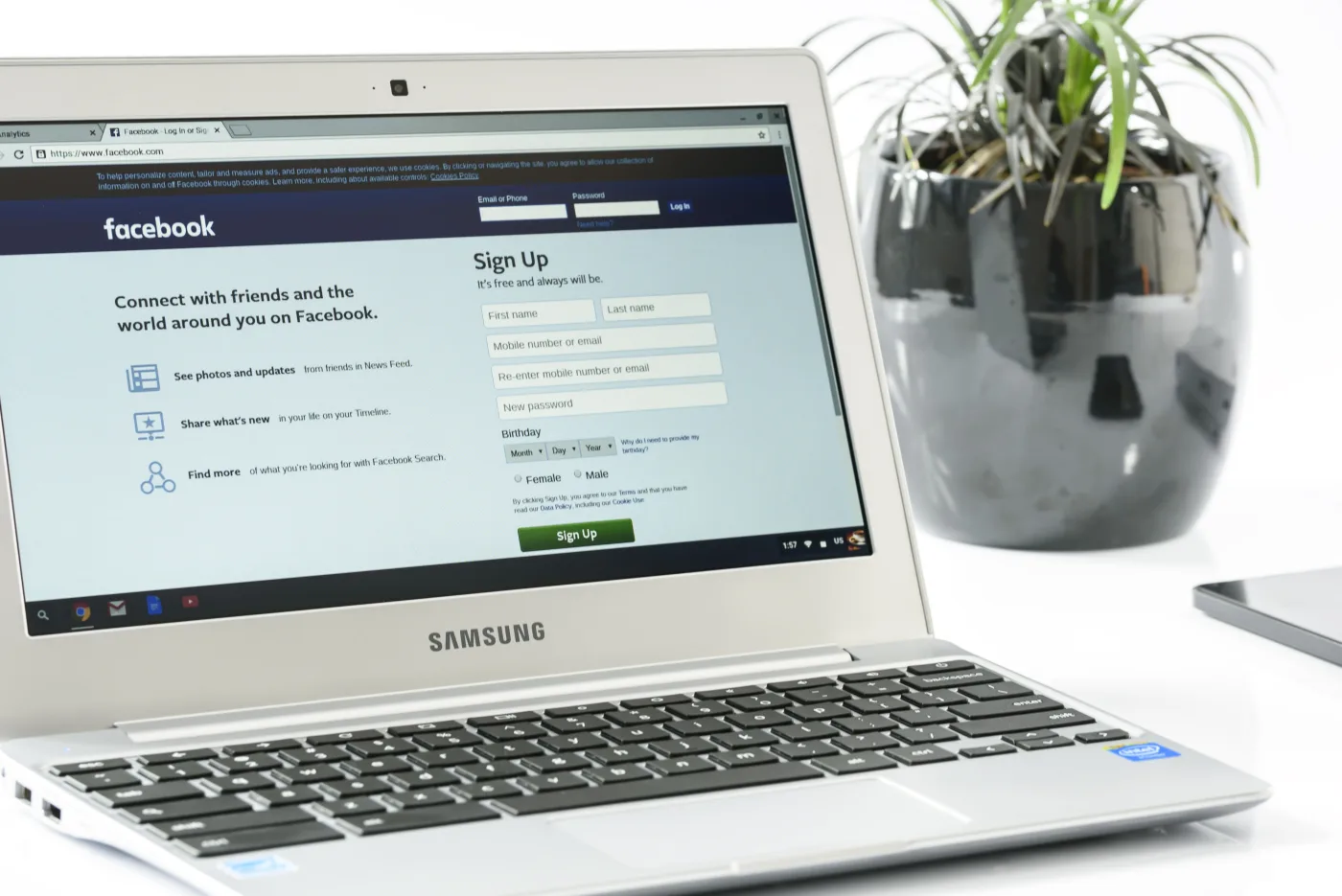
An e-tendering portal is a secure online platform where a buyer publishes a tender, suppliers download the documents and submit sealed bids electronically, and the system opens, records and helps evaluate those bids at a fixed deadline. It replaces printed packs, couriers and sealed envelopes with a single auditable workflow that anyone can reach through a browser. This guide explains what such a portal is, the features that matter, how public and private portals differ, and how to choose or adopt one.
Key takeaways
- An e-tendering portal is the software that runs an online tender from publishing to award.
- Core features are tender publishing, document download, sealed bid submission, signatures and scoring.
- Public portals serve open government procurement; private portals serve confidential enterprise sourcing.
- The value of a portal is the fairness rules it enforces automatically, not the file storage.
What is an e-tendering portal?
An e-tendering portal is a web-based system that manages the full life of a tender in one place: advertising the opportunity, distributing the documents, answering supplier questions, collecting sealed bids and recording the outcome. Instead of printing packs and posting them, a buyer loads the requirement onto the portal, and suppliers respond through the same system. Everything that once happened across desks, envelopes and inboxes now happens inside a single controlled environment.
It helps to separate the portal from the practice it supports. The broader discipline of e-tendering is the online method of inviting, receiving and evaluating tenders; the portal is the machinery that makes that method work. The formal document that starts the process is an invitation to tender, and the portal is where it is published and where every response to it is captured.
The defining feature is control. Because the platform timestamps every action and locks bids until the official opening, the process is provably fair: no bid can be seen early, altered after the deadline or lost in transit. For any purchase that might later be questioned, that built-in record is worth as much as the time the portal saves.
Core features of an e-tendering portal
Portals vary in polish, but the capable ones share a recognisable set of building blocks. Each one maps to a stage of the tender and, taken together, they are what separate a genuine e-tendering portal from a shared inbox with a login screen:
- Tender publishing. A buyer creates the notice, attaches specifications and sets the timeline, then advertises it to eligible suppliers.
- Document download. Suppliers pull the complete tender pack instantly, with version control so everyone works from the latest files.
- Online bid submission. Bidders upload their responses and prices through an encrypted channel that timestamps and seals each one.
- Digital signatures. Submissions are signed electronically so the system can prove identity and that nothing was tampered with afterwards.
- Bid opening. Sealed bids unlock automatically at the deadline, logged to the second, with no manual envelope ceremony required.
- Evaluation and scoring. Evaluators compare bids against published criteria in a structured, weighted format rather than on scattered spreadsheets.
None of these features is decorative. The publishing and download steps widen the field of who can realistically bid; the submission, signature and opening steps protect the integrity of the contest; and the evaluation step keeps the final judgement structured and defensible. A portal that skips any of them is doing part of the job, not the whole of it.
A real portal seals bids; a document mailbox only stores them. The test of any e-tendering platform is whether a submission can be viewed early or edited after the deadline. If it can, you have file storage with a fancy name, not a system that can defend a contested award.
Public government portals vs private enterprise portals
Not all e-tendering portals serve the same purpose, and the biggest divide is between public and private. Government portals are built around openness: they advertise opportunities to the whole market so any qualified supplier can find and bid for public contracts. India's central public procurement portal is a prominent example, giving suppliers a single place to bid across departments, while frameworks such as the CPWD e-tendering system handle large volumes of public works. Their driving force is legal duty: transparency, equal treatment and value for public money.
Private enterprise portals invert several of those assumptions. A company has no obligation to advertise every purchase, and it often does not want to: the requirement may be commercially sensitive, and the buyer may prefer to invite only pre-approved suppliers. So an enterprise portal typically runs closed or invited tenders, integrates with the rest of the buying process, and optimises for speed and confidentiality rather than open publication. The mechanics of sealed bidding are identical; the audience and the motive differ.
| Aspect | Public government portal | Private enterprise portal |
|---|---|---|
| Audience | Open to the whole market | Invited, approved suppliers |
| Driver | Legal transparency duty | Commercial advantage and control |
| Visibility | Notices public by default | Requirements kept confidential |
| Signatures | Digital certificate usually required | Secure login, often certificate optional |
| Integration | Standalone government platform | Linked to sourcing and purchasing |
Neither model is better in the abstract; they answer different questions. A public body needs to prove it served taxpayers fairly, so it publishes widely and demands strong identity checks. An enterprise needs to source competitively without leaking its plans, so it runs tighter, integrated tenders among suppliers it already trusts.
How buyers and suppliers use the portal
From the buyer's side, the portal is a control panel for the whole tender. The team builds the requirement and evaluation criteria, publishes the notice, manages the clarification window where supplier questions are answered for everyone at once, and waits for the deadline. When bids open, evaluators score them inside the same system and record the award, with every step logged along the way.
From the supplier's side, the portal is a bidding workspace. A supplier registers once, finds relevant opportunities, downloads the tender pack, prepares a response and uploads it with prices and mandatory documents before the cut-off. The system confirms receipt, timestamps the submission and locks it until opening. There is no courier to book and no risk of a bid arriving late because of traffic or post.
The shared benefit is a single source of truth. Both parties see the same documents, the same deadlines and the same published answers, which removes a whole category of disputes about who knew what and when. A tender run this way behaves less like a scramble and more like a structured process, which is exactly what a competitive purchase should be.
Benefits and transparency
The case for using a portal rather than paper rests on three durable advantages, and they reinforce one another, which is why organisations rarely go back once they switch.
The first is transparency. Every action is logged and timestamped, bids stay sealed until the official opening, and the same information reaches every supplier at the same moment. That removes the suspicion of favouritism and produces a record you can stand behind if a decision is challenged. For public bodies it is often a legal requirement; for private buyers it is simply sound governance. The wider idea of a call for bids has always rested on this principle of fair, open competition, and a portal enforces it automatically.
The second is efficiency. There are no packs to print, no envelopes to log and no opening ceremony to schedule. Documents distribute instantly, clarifications reach everyone at once, and responses arrive in a structured, comparable format. Staff spend their time evaluating rather than shuffling paper, and the whole cycle shortens. The third is wider competition: because any registered supplier can respond regardless of location, the field of credible bidders grows, and more competition usually means better value.
Security and integrity
A portal is only as good as the trust suppliers place in it, and that trust rests entirely on security. The whole model depends on bids staying genuinely sealed until the deadline, so encryption, strict access controls and a tamper-evident audit log are not optional extras but the foundation. If a buyer could peek at a rival's price early, the contest would be meaningless.
Identity is the other half of integrity. Government portals lean on digital signature certificates so every submission is provably tied to a real bidder and cannot be repudiated later. Enterprise portals often achieve similar assurance through secure authentication and encrypted channels. Either way, the aim is the same: the system must be able to show who did what, when, and that nothing was changed after the fact.
When you assess a platform, ask how it enforces these guarantees rather than whether it claims them. Look for deadline enforcement that rejects late bids automatically, controlled access that keeps evaluators and bidders apart until opening, and a complete log that survives long after the award. Security you can explain to a challenger is worth far more than security you merely assume.
How to choose and adopt a portal
Choosing a portal starts with your own situation, not a feature list. A public body may have little choice but to use the mandated national platform; a private buyer choosing an enterprise portal has more freedom and should weigh a handful of practical factors before committing:
Supplier experience
Registration and bidding must be simple, or smaller suppliers drop out and the field narrows.
Integration
The portal should carry the winning bid onward into sourcing and purchasing without rekeying.
Security and audit
Encryption, signatures and a complete log must be provable, not merely promised.
Support
Buyers and bidders both need help when a deadline looms, so responsive support matters.
Adoption is where good intentions often stall, because the technology is the easy part and the habits around it are what actually change. Plan the rollout as a change programme: train the buying team, give suppliers clear guidance and a support contact, and start with a straightforward tender before attempting a complex one. A related document type such as an RFP can be run through the portal once the basics are comfortable, which is a natural way to build confidence.
It also pays to keep the wider picture in view. E-tendering is one stage of the broader shift to e-procurement, the whole online buying journey from finding a need to settling the invoice. Choosing a portal that connects to that journey, rather than one that stands alone, avoids rekeying and gives you a continuous record from tender to purchase order.
Where ProcureWave fits
Public portals exist to open government contracts to the market, and they do that job well. Enterprise sourcing is a different problem: running confidential, competitive tenders among your own approved suppliers, then carrying the result straight through to purchasing. That is the gap ProcureWave's sourcing module is built to fill. It keeps the documents, the clarifications, the sealed submissions and the structured scoring in one controlled place, with the fairness rules enforced automatically and the winning bid flowing on to a purchase order without rekeying.
Running tenders over email and spreadsheets undoes most of the advantage a portal offers: versions drift, bids are not truly sealed, and the audit trail is whatever people happen to remember. A proper platform removes that risk while keeping the process fast and confidential, which is exactly what an enterprise buyer needs when a public portal is not the right home for a sensitive requirement.
If you are moving tenders online for the first time, or replacing a portal that feels more like a filing cabinet than a control system, it is worth seeing the workflow on your own process. Talk to us through our contact page and we will walk through a live tender end to end, from publishing the requirement to recording the award. An e-tendering portal does not change what you buy; it changes how fairly, quickly and openly you buy it, and that is a change worth getting right.
Frequently asked questions
What is an e-tendering portal?
An e-tendering portal is a secure online platform where a buyer publishes a tender, suppliers download the documents and submit sealed bids, and the system opens, records and helps evaluate those bids at a fixed deadline. It replaces printed packs and posted envelopes with one auditable workflow that everyone accesses through a browser.
What is the difference between an e-tendering portal and e-tendering?
E-tendering is the method of running a tender online; the portal is the software that makes it possible. In everyday use the two are used loosely, but strictly the portal is the machinery and e-tendering is the process that machinery carries out.
Are government e-tendering portals free for suppliers to use?
Registration on most public portals is free or low cost, though some charge a nominal fee and many require a digital signature certificate, which suppliers buy separately. Individual tenders may also carry a document fee or earnest money deposit set by the buying department, not the portal itself.
Do I need a digital signature to bid on an e-tendering portal?
On most government portals, yes. Bids and key documents must be signed with a valid digital signature certificate so the system can prove who submitted what and that nothing was altered afterwards. Private enterprise portals often rely on secure logins and encryption instead, so requirements vary by platform.
Can a private company run its own e-tendering portal?
Yes. Many enterprises use a private sourcing platform to publish tenders to their own approved suppliers rather than the whole market. This keeps commercially sensitive requirements confidential while still giving the buyer sealed bids, a clear audit trail and structured evaluation.
Want to see this in your own numbers?
Book a tailored demo and we will show ProcureWave running on scenarios that match your business.
Get in touch