A proforma invoice is a quotation dressed as an invoice: it shows a buyer exactly what they will be charged before the sale is confirmed, without creating a debt or an accounting entry. The quickest way to understand one is to see it, so this guide gives you a copyable proforma invoice sample, a field-by-field breakdown, three worked examples for export, advance quotes and customs, and the steps to turn a proforma into a final invoice you can bill against.
Key takeaways
- A proforma invoice is a good-faith quote in invoice form, issued before the sale and not payable as a real bill.
- The sample below is copyable: header, parties, line items, tax and totals, plus clear terms and a validity date.
- Its common jobs are export and customs paperwork, requesting an advance, and confirming price before a purchase order.
- To make it final, relabel it "Invoice", add a sequential number and issue date, confirm figures and add payment details.
What is a proforma invoice?
A proforma invoice is a preliminary bill of sale sent to a buyer before goods are shipped or work is done. The term pro forma means "as a matter of form", and that is exactly what it is: a document laid out in the form of an invoice, but issued as an estimate rather than a demand for payment. It tells the buyer what they will be charged, on what terms, and for what, so both sides can agree before anything is committed.
Because it is a quotation rather than a settled charge, a proforma does not create a receivable, is not entered into your ledgers, and does not trigger a tax point. That single fact separates it from an ordinary invoice, which is a real request for payment that gets booked and paid. If you want the full background on how proformas work, when to use them and how they sit in the wider buying flow, our proforma invoice guide is the pillar to read alongside this one.
The rest of this article is deliberately practical. Rather than repeat the theory, it hands you a working sample you can adapt, walks through every field, and shows the document doing its job in three realistic situations.
A proforma invoice sample you can copy
Here is a complete proforma invoice sample for a fictional supplier, Northwind Components Ltd, selling to an overseas buyer. Copy the structure, swap in your own details, and you have a document that will pass muster with buyers, banks and customs alike.
| From | Northwind Components Ltd, 14 Harbour Road, Bristol BS1 6QP, United Kingdom. VAT GB123456789. |
|---|---|
| To | Meridian Trading LLC, 88 Trade Centre Drive, Dubai, United Arab Emirates. |
| Document | Proforma Invoice PF-2026-0142. Date: 18 July 2026. Valid until: 17 August 2026. |
| # | Description | Qty | Unit price | Line total |
|---|---|---|---|---|
| 1 | Stainless steel valve assembly, model SV-40 | 200 | 18.50 | 3,700.00 |
| 2 | Replacement seal kit, model SK-12 | 200 | 2.25 | 450.00 |
| 3 | Export packing and crating | 1 | 120.00 | 120.00 |
| Subtotal | 4,270.00 | |||
| Freight (CIF Jebel Ali) | 380.00 | |||
| Estimated total (GBP) | 4,650.00 | |||
Below the figures, the sample carries a short block of terms: "Prices quoted in GBP and valid for 30 days. Country of origin: United Kingdom. HS code: 8481.80. Payment: 50 per cent advance by bank transfer, balance before dispatch. This is a proforma invoice and not a demand for payment." Those few lines do most of the heavy lifting, which is why the next section takes each field in turn.
The sample field by field
Every element in the sample is there for a reason. Read the document from the top and each field earns its place:
- Title: the words "Proforma Invoice" must appear plainly, so no one mistakes it for a payable bill.
- Seller details: your legal name, address and tax registration, so the buyer knows exactly who is quoting.
- Buyer details: the customer's full name and delivery address, which customs and banks will check against other paperwork.
- Document number and date: a unique reference and the issue date, so the quote can be tracked and quoted back later.
- Validity date: how long the prices hold, protecting you against currency swings and cost changes.
- Line items: a clear description, quantity and unit price per line, with a line total, so nothing is ambiguous.
- Subtotal, freight and tax: the build-up to the total, shown separately so the buyer sees what drives the figure.
- Estimated total: the headline amount, labelled as an estimate rather than a fixed charge.
- Terms and codes: payment terms, currency, country of origin and any customs codes that the shipment needs.
Keep the layout close to a standard invoice so it reads instantly, but never drop the proforma label or the validity date. Those two fields are what stop a helpful quote from being treated as a bill in someone else's accounts payable queue.
Three worked examples
The same sample flexes to fit very different jobs. Here it is at work in three common situations.
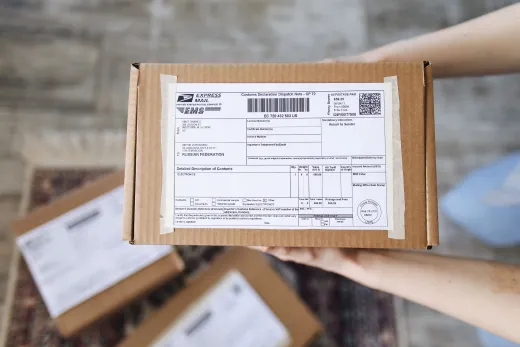
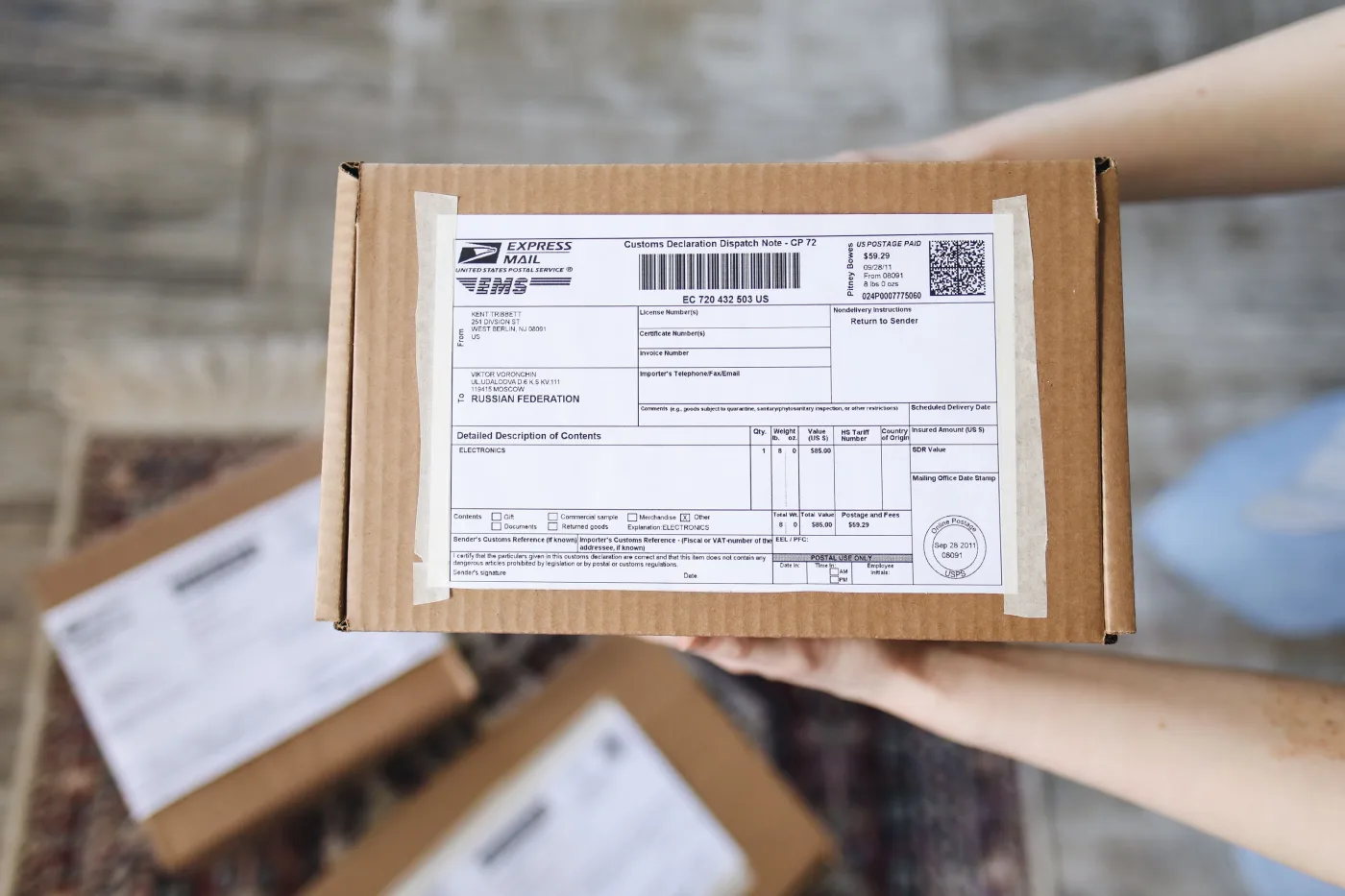
Export and trade. An exporter sends the proforma above to an overseas buyer so the buyer's bank can open a letter of credit and the buyer can apply for an import permit. The freight line, the country of origin and the HS code all matter here, because the document travels with the shipment and is read by people who never see the sales contract. The proforma states the deal in a form every party recognises.
Advance quote before a purchase order. A buyer asks for firm pricing before raising a purchase order. Instead of a loose email, the seller issues the same layout with a 30-day validity. The buyer drops it straight into their approval workflow, the finance team sees a professional figure they can budget against, and once it is signed off the order follows without renegotiation. This is where a proforma earns its keep inside a disciplined buying process.
Customs valuation. When a sample shipment or a replacement part crosses a border with no sale attached, customs still needs a value. A proforma provides one. It shows the goods, their worth and their origin so duty can be assessed, while making clear that no payment is due. Here the estimated total and the origin details do the work, and the "not a demand for payment" note prevents confusion at the desk.
What to include and what to avoid
A proforma is only as useful as it is clear. A few habits keep it clean.
The one rule that matters most: a proforma invoice must never be numbered from the same sequence as your real invoices. Give proformas their own prefix, such as PF-, and keep true invoice numbers unbroken and sequential. Mixing the two corrupts your audit trail and can trip up both tax reporting and your accounts payable reconciliation.
Beyond numbering, include everything the buyer needs to say yes: full descriptions, quantities, unit prices, currency, freight, estimated tax and clear terms. Show a validity date so the quote has a shelf life. If the goods cross a border, add origin and customs codes. Avoid vague line items, avoid leaving the currency unstated, and avoid any wording that reads like a demand for payment. Do not add your bank details in a way that invites payment against the proforma itself unless you have deliberately agreed an advance, and even then label it as such.
Proforma invoice vs commercial invoice
The two documents look almost identical, which is why they are so often confused. The difference is timing and legal weight.
- Proforma invoice
- Issued before the sale is confirmed. A good-faith estimate, not a demand for payment, not booked to your accounts and not valid for reclaiming tax.
- Commercial invoice
- Issued once the sale is agreed. A binding request for payment that is recorded in your ledgers and, where applicable, used to account for tax.
Put simply, the proforma says "here is what it will cost", and the commercial invoice says "here is what you now owe". The estimated tax on a proforma is a courtesy so the buyer can see the likely total; only the commercial invoice carries the binding value-added tax figures that either side can act on. Treat the proforma as the start of a conversation and the commercial invoice as the record of its conclusion.
Turning a proforma into a final invoice
Once the buyer agrees and the goods are ready, converting the proforma is quick because most of the work is already done. Follow these steps:
- Change the heading from "Proforma Invoice" to "Invoice" so its status is unmistakable.
- Give it a fresh, sequential invoice number from your real invoice series, not the PF- range.
- Set a new issue date and any due date or payment terms that apply.
- Confirm the final quantities, prices and tax, adjusting for anything that changed since the quote.
- Add your payment details, so the buyer can settle it properly.
That is the whole conversion. Keeping the figures identical wherever possible makes the two documents easy to reconcile, and it reassures the buyer that the price they agreed is the price they are being billed. For the full rules on what a final document must contain, our invoice guide and sample invoice guide lay it out in detail.
Where the proforma fits in your buying flow
A proforma invoice is not a stray piece of paper; it is an early step in an orderly purchase. In a manual process it lands in an inbox, gets forwarded around and is easily lost. In a connected process it becomes the reference point that the purchase order, the goods receipt and the final invoice all trace back to, so when the commercial invoice arrives it can be matched against what was agreed rather than checked from scratch.
That is the thinking behind ProcureWave. By keeping quotes, orders, receipts and invoices in one place, the figures a supplier first sets out in a proforma flow through to settlement without being re-keyed or second-guessed, which is where most of the cost and delay in accounts payable comes from. See how the pieces connect on our solution page.
If you would like a hand adapting the sample above to your own trade, or want to see how proformas, orders and invoices join up from source to settlement, our team is happy to talk it through. Get in touch via our contact page and we will point you in the right direction, no pressure either way.
Frequently asked questions
What does a proforma invoice sample look like?
It looks much like a normal invoice, but it is clearly headed "Proforma Invoice" and it is not a demand for payment. A good sample shows the seller and buyer details, a document number and date, a line-by-line list of goods or services with quantities and prices, any tax and shipping, a total, and the terms that apply. See our sample invoice guide for the standard layout it is based on.
Is a proforma invoice a real invoice?
No. A proforma invoice is a good-faith quotation set out in invoice form. It is issued before the sale is confirmed, so it does not create a debt, is not booked to your accounts and should not be paid as if it were a final bill. The commercial invoice that follows is the real, payable document.
Can a customer pay against a proforma invoice?
In practice buyers often use a proforma to arrange an advance payment or to release funds internally, and that is one of its main uses. Just remember the proforma itself is not the accounting record. Once payment or the order is confirmed, you raise a proper commercial invoice for the books.
How do I turn a proforma invoice into a final invoice?
Keep the same figures, change the heading from "Proforma Invoice" to "Invoice", give it a fresh sequential invoice number and issue date, confirm the final quantities and any tax, and add your payment details. Our invoice guide covers what the final document must contain.
Does a proforma invoice include tax?
It can show the estimated tax so the buyer sees the likely total, but a proforma does not itself account for tax and is not a valid document for reclaiming it. The final commercial invoice is the one that carries the binding tax figures.
Want to see this in your own numbers?
Book a tailored demo and we will show ProcureWave running on scenarios that match your business.
Get in touch