Best Restaurant Purchasing Software: 9 Tools Compared by Fit
Nine hospitality products compared on order guides, par levels, receiving, invoice matching, price tracking and food-cost control, grouped by where each tool starts. Listed by fit, with no overall winner.
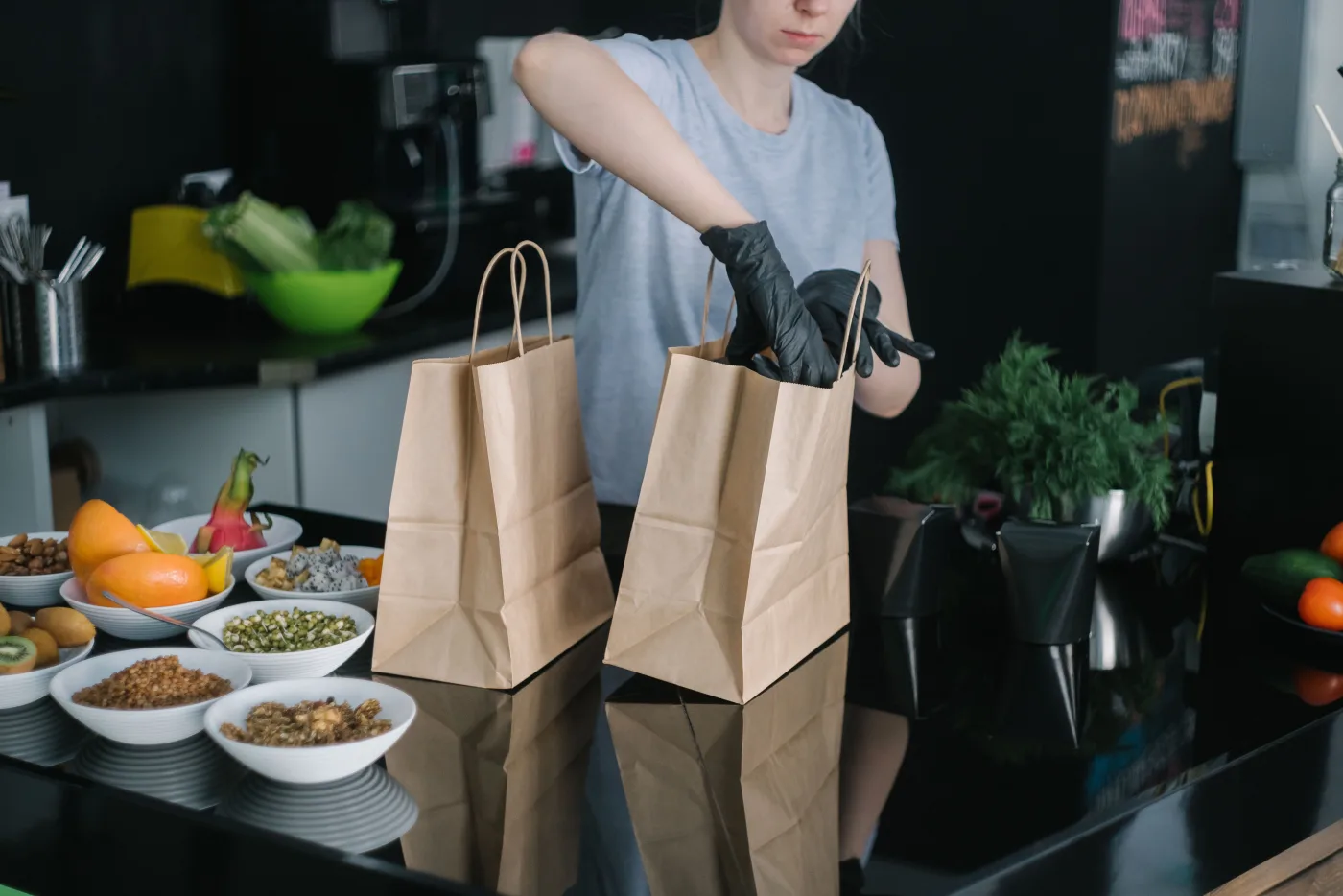
Restaurant purchasing software replaces phone calls, texts and paper order sheets with a controlled buying cycle: order guides and par levels, orders sent to each supplier, deliveries checked on arrival, invoices captured and checked against what was ordered, and ingredient prices fed into food cost. This page compares nine hospitality products from the ProcureWave directory by what their official pages document. They fall into three groups: supplier-ordering apps (Choco and BlueCart), inventory-led platforms (MarketMan, WISK, Apicbase and Supy), and back-office and accounting suites (Restaurant365 and Craftable), plus Millum, a Nordic procurement system for hotels and restaurants.
Key takeaways
- The biggest difference is where each tool starts: supplier ordering, inventory and food cost, or accounts payable and the general ledger. Pick the group first, then the product.
- Choco is free for restaurants; MarketMan, WISK and Supy publish starting prices (November 2026); the other five are quote-based.
- Invoice-to-order checks are documented by most of the paid tools, from MarketMan's line checks to Craftable's and Apicbase's three-way matching. Choco documents a delivery check instead.
- Distributor connections vary by region: Restaurant365, MarketMan, Craftable and WISK name North American distributors, Supy is rooted in the Gulf, Apicbase names UK, EU and US supplier coverage, and Millum is built for Nordic suppliers.
- Only Restaurant365 and Craftable document paying suppliers inside the platform.
Quick comparison
Products are listed alphabetically within each group, not ranked. Pricing is as seen on each vendor's site in November 2026.
| Product | Best for | Pricing | Main limitation |
|---|---|---|---|
| Supplier-ordering apps | |||
| BlueCart | US restaurants and small groups that want to find and order from many food and beverage vendors through one marketplace | Quote-based; 2% cash back on eligible marketplace purchases, per the vendor | Buyer features are described on marketing pages only; no integrations named for buyers |
| Choco | Independents and small groups that want to move ordering with existing distributors onto one shared app | Free for restaurants | No documented PO approvals, invoice matching or accounting integration |
| Inventory-led platforms | |||
| Apicbase | Multi-site groups, caterers and hotels with central kitchens that want ordering tied to recipes, production and forecasts | Quote-based; Growth plan starts from 5 outlets | Supplier payments stay outside the product; ERP and accounting products are not named |
| MarketMan | Independents through chains that want par-based ordering, distributor EDI and invoice scanning at a published price | Starter $249/month, Growth $299/month, Enterprise from $449 | Starter caps AI invoice scans at 50 a month; EDI connections are limited by plan |
| Supy | Multi-branch groups (2 to 250 branches, per the vendor), especially in the Gulf, that need requisitions, approvals and spend caps | From $250/month; many add-ons quoted | AI ordering, AI invoice scanning and ERP integration are priced add-ons |
| WISK | Bars, restaurants and hotels that want food and beverage inventory linked to POS sales and supplier orders | From $249/month per module for a single venue, plus setup fee | No free trial; suggested ordering is not on the Single Venue plan |
| Back-office and accounting suites | |||
| Craftable | Mid-size to enterprise restaurant groups and hotel F&B that want catalog ordering, three-way matching and supplier payments in one system | Quote-based | No published pricing; US-centric integrations |
| Restaurant365 | Restaurant groups that want purchasing, inventory and AP inside restaurant accounting | Quote-based, by locations and packages | PO EDI only with distributors on its supported list |
| Regional procurement system | |||
| Millum | Hotels, restaurant chains and staff restaurants in Norway, Sweden, Denmark and Finland buying within supplier agreements | Quote-based, set per customer | Documented markets are Nordic only |
How we chose these products
This comparison is research-based. We read each product's verified ProcureWave profile and re-checked the vendors' official purchasing, invoice, integration and pricing pages in November 2026. ProcureWave did not test the software, and we do not give star ratings or scores. Customer counts, accuracy and savings figures are the vendors' own claims.
The evidence we required was an official page that documents supplier ordering for restaurants or foodservice operators: placing orders with food and beverage suppliers, with at least one of order guides, par levels, receiving or invoice checks. Every product also had to have a live profile in our hospitality procurement software directory. Nine products are covered. Other hospitality products in the directory are not compared in detail here:
- Fourth Inventory Management is not compared in detail here, but it does document restaurant purchasing: supplier catalogs, suggested ordering, mobile receiving and three-way invoice matching, through Purchase-to-Pay and Inventory for casual and fine dining and MacromatiX for quick-service and franchise systems. It is quote-based. Mid-size and enterprise groups should consider it alongside Craftable and Restaurant365; see its profile.
- BirchStreet is a procure-to-pay platform for hotels, resorts, casinos and clubs rather than restaurants.
- Ottimate (formerly Plate IQ) is accounts payable automation for multi-location businesses: it handles invoices and payments, not supplier ordering.
- Order.co is a general procure-to-close platform for multi-location businesses, not one built around food ordering and recipes.
ProcureWave does not sell software, and no vendor can pay for inclusion or position on this page; see our disclosure.
What restaurant purchasing software should cover
Restaurant buying is frequent, perishable and usually done by chefs and managers between services, so the procurement controls have to be quick to use. These are the capabilities that matter most, in the order the buying cycle runs:
- Order guides. Approved items per supplier, with pack sizes and agreed prices.
- Par levels and suggested orders. An order suggested when stock falls below par, sometimes from forecasts or production plans.
- Order transmission. EDI into the distributor's system, a marketplace or portal, or email, SMS and WhatsApp.
- Receiving. Checking each delivery against the order and requesting credits for shorts.
- Invoice capture and matching. Checking invoice lines against the order, delivery and agreed price before approval.
- Price tracking. Alerts when a supplier's price moves, and side-by-side supplier prices.
- Food-cost control. Invoice prices feeding recipe costs, and actual versus theoretical usage.
The software controls the buying process, not the suppliers themselves. Choosing and vetting food suppliers is a separate job; our guide to choosing and managing food vendors covers safety documentation, allergens, insurance and contracts.
The options
Choco (supplier-ordering app)
Choco, from Choco Communications GmbH of Berlin, is an ordering and chat app that connects restaurants with the distributors they already buy from. Its help center says a distributor not yet on Choco can receive orders by email, WhatsApp or SMS. Orders come from an order guide or the distributor's catalog, roles control who can submit a shared team order, and the delivery check records missing or wrong items with a photo and requests a credit note or replacement.
Pricing: free for restaurants, with "no hidden fees", per the restaurant page (November 2026); Choco charges distributors instead. Limitation: no documented value-based approvals, invoice matching or POS, inventory and accounting integration for restaurants, and only existing supplier relationships are supported. Read our Choco profile.
BlueCart (supplier-ordering app and marketplace)
BlueCart, Inc. mainly sells wholesale ordering software to food and beverage distributors; for buyers it offers the Endless Aisle marketplace, launched in August 2024. The restaurant page describes comparing products and prices across verified vendors and filtering by delivery area. The restaurant procurement page adds order guides and approved suppliers set by head office, recurring purchase orders, multi-step approvals above a set value or for new suppliers, line-by-line invoice-to-PO matching and spend reports by outlet.
Pricing: quote-based (November 2026), with 2% cash back advertised on eligible marketplace purchases. Limitation: it is the only product here that helps buyers find new suppliers, but its buyer features are described on marketing pages without help documentation and no buyer integrations are named, so ask to see approvals and matching demonstrated. Read our BlueCart profile.
Apicbase (inventory-led)
Apicbase, from Apicbase NV in Belgium, is a back-of-house platform for multi-site foodservice that links purchasing to recipes, production planning and forecasts. Its purchasing page says orders can be built from par levels, order lists, bills of materials, production plans or forecasts, and that integrated UK, EU and US suppliers get daily price updates. The invoice matching module reads PDF and UBL or Peppol invoices, checks each line against the PO, goods received, agreed price and last price paid within set tolerances, approves matches automatically and prepares credit requests. Outlets can order from a central kitchen like a supplier.
Pricing: quote-based; the plans page lists Growth (from 5 outlets), Professional and Enterprise, and does not list invoice matching in any plan (November 2026). Limitation: not aimed at single sites, payments stay in your finance system, and no ERP or accounting product is named. Read our Apicbase profile.
MarketMan (inventory-led)
MarketMan is a restaurant inventory and purchasing platform founded in 2013 and, since a January 2022 merger, powered by Meal Ticket. Its purchasing page describes suggested POs when stock falls below par, ordering from several suppliers in one routine, ingredient price tracking across vendors, and mobile receiving that flags discrepancies. The AP automation page says invoice lines are extracted and checked against the original order, with approval rules and sync to QuickBooks Online or Xero. Multi-unit groups can restrict locations to approved suppliers and items.
Pricing: per the pricing page in November 2026, Starter $249 per month (50 AI invoice scans, 1 vendor EDI integration), Growth $299 (Smart Ordering, unlimited scans, 2 EDI) and Enterprise from $449 (unlimited EDI); vendor EDI covers the US, Canada and the UK. Limitation: the page does not say whether prices are per location, and QuickBooks and Xero are the only accounting integrations named on its partners page. Read our MarketMan profile.
Supy (inventory-led, procurement-heavy)
Supy, from UAE-based Supy Inc., founded in 2021, is a procurement and inventory platform that its about page says is built for operators with 2 to 250 branches. It has the most formal purchasing controls of the inventory-led group: its orders and requisitions page describes outlet requisitions that reviewers can consolidate or reroute to a central kitchen, up to five approval levels, ordering caps by user, supplier, category or outlet, and POs sent by email, WhatsApp or direct integration. Supplier prices for the same item appear side by side, and invoice receiving flags discrepancies and supports credit notes. Its integrations page includes Gulf POS systems such as Foodics and accounting systems such as Xero, QuickBooks and Oracle NetSuite.
Pricing: from $250 per month, per the pricing page in November 2026, set by locations and payment terms. Limitation: AI ordering, AI invoice scanning, accounting and ERP integration and Open API access are add-ons priced on request, and no security page is published. Read our Supy profile.
WISK (inventory-led)
WISK, from WISK Solutions Inc. of Toronto, is food and beverage inventory software for bars, restaurants and hotels, sold as Beverage and Food modules or a bundle. Its ordering page says it suggests orders from par levels and sales, sends POs by email, SMS or supplier portal, lets several suppliers be assigned to one item to compare costs, and checks received quantities against the PO. The invoice page describes capture by scan, email, photo or EDI, supplier price change alerts and approval rules by vendor and category. Its integrations page lists more than 60 POS systems.
Pricing: per the pricing page in November 2026, Single Venue $249 per month for one module or $399 for the bundle, Multi-Outlet from $499 to $1,999, Enterprise custom, plus setup fees from $750; no free trial, but a 60-day money-back guarantee. Limitation: suggested ordering is not on Single Venue, EDI and API access are Enterprise-only, and QuickBooks Online is the only accounting system named. Read our WISK profile.
Craftable (back-office suite)
Craftable, from FNBTech, Inc. of Farmers Branch, Texas, is a back-office platform for restaurant groups and hotels covering purchasing, inventory, AP automation and payments; it syncs to your accounting system rather than replacing it. The Intelligent Ordering page describes one catalog of approved vendors, products and agreed prices across locations, standardized order guides, par-based ordering and order approvals with an audit trail, with every invoiced line checked against agreed pricing. The AP automation page adds invoice capture, three-way matching, routing by spend limit, GL coding and payment by virtual card, ACH, eCheck or check. Its integrations page names QuickBooks, Sage Intacct, Oracle NetSuite, Acumatica and R365, plus distributors such as Sysco and US Foods.
Pricing: quote-based, sold through demos (November 2026). Limitation: aimed at mid-size to enterprise operators, the named integrations are US-focused, and integration counts differ between the vendor's pages. Read our Craftable profile.
Restaurant365 (accounting suite)
Restaurant365, from Irvine, California, combines restaurant accounting with Inventory and Purchasing, AP automation, workforce and payroll, and is the only product here with its own general ledger. Its purchasing and receiving page says orders are built from inventory data, par levels and forecasts, receiving catches delivery problems so credits can be recovered, invoice errors are found before payment and price changes are tracked. The vendor integrations list names more than two dozen distributors that accept POs by EDI, including Sysco, US Foods and Gordon Food Service. The AP automation page adds OCR capture, GL coding, multi-level approvals and vendor payments.
Pricing: quote-based by locations and packages, per the pricing page (November 2026); no trial is advertised. Limitation: EDI works only with listed distributors, each set up by support ticket, and POS integrations are not listed publicly. Read our Restaurant365 profile.
Millum (Nordic procurement system)
Millum, from Fornebu, Norway, founded in 2002 and part of cisbox group since a March 2026 merger, is a procurement system for hotels, restaurants and staff restaurants that the vendor says is used in Norway, Sweden, Denmark and Finland. It is the most agreement-driven product here: its functions page lists supplier agreements, catalogs, shopping lists and fixed orders, order approval, stock receipt and deviation notices, and suppliers connect their catalogs through Millum Commerce. An optional Invoice module delivers invoices with accounting codes and routes them to the right approver. Its integration overview names Microsoft Dynamics 365, Unit 4 Agresso, Xledger, SAP and Basware, plus Nordic food information databases.
Pricing: set per customer by locations, modules and integrations, per the homepage FAQ (November 2026); independents can join through purchasing groups. Limitation: the documented markets are Nordic only. Read our Millum profile.
Feature comparison
"Not documented" means we did not find the capability on the vendor's official pages, not that it is absent. Ask for a demonstration of anything you depend on.
Ordering and receiving
| Product | Order guides and catalogs | Par or suggested ordering | How orders reach suppliers | Receiving |
|---|---|---|---|---|
| Choco | Order guides (Favourites List), distributor catalogs | Not documented | In app; email, WhatsApp or SMS for suppliers not on Choco | Delivery check with credit note or replacement requests |
| BlueCart | Order guides and approved suppliers set by head office | Par levels and reorder points | Supplier catalogs and the Endless Aisle marketplace | Mobile receiving described |
| Apicbase | Saved order lists, approved supplier and packaging choice | Par, BOM, production plan and forecast ordering | Sent directly; integrated suppliers in the UK, EU and US | App intake, partial deliveries tracked |
| MarketMan | Supplier catalogs, approved items for multi-unit | Suggested POs below par; Smart Ordering from Growth | Web or app; vendor EDI limited by plan | Mobile check-off with discrepancy flags |
| Supy | Requisition templates, supplier price lists | AI predictive ordering (add-on) | Email, WhatsApp or direct supplier integration | Invoice receiving with credit notes |
| WISK | POs prefilled by par or sales | Suggested ordering on Multi-Outlet and Enterprise | Email, SMS or supplier portal; EDI on Enterprise | Received quantities checked against the PO |
| Craftable | One approved catalog with agreed prices across locations | Par-based ordering | POs routed to the vendor; named US distributors | Barcode scanning for receiving |
| Restaurant365 | Standardized purchasing across locations | Par levels, forecasts and reorder alerts | EDI to listed distributors; otherwise email | Receiving updates stock; delivery problems flagged |
| Millum | Supplier agreements, catalogs, shopping lists, fixed orders | Not documented | Suppliers connected through Millum Commerce | Stock receipt and deviation notices |
Invoices, prices and food cost
| Product | Invoice capture and checks | Price tracking | Food-cost link | Accounting and payments |
|---|---|---|---|---|
| Choco | Not documented | Not documented | Not documented | None named; .xlsx reports |
| BlueCart | Line-by-line invoice-to-PO matching (marketing pages) | Price comparison across marketplace vendors | Purchasing linked to ingredient costs | None named |
| Apicbase | AI capture from PDF, UBL and Peppol; three-way matching with tolerances | Agreed and last price checks; daily supplier price updates | Theoretical versus actual food cost | Export by CSV, Excel, PDF or API; no payments |
| MarketMan | AI scanning checked against the PO (50 a month on Starter) | Ingredient price tracking and vendor comparison | Recipe costing, actual versus theoretical | QuickBooks Online, Xero |
| Supy | AI invoice processing with discrepancy flags (AI scanning is an add-on) | Side-by-side supplier prices | Theoretical versus actual cost of goods | Xero, QuickBooks, NetSuite and others (add-on) |
| WISK | Scan, email, photo or EDI; approval rules; capped by plan | Supplier price change alerts | POS sales mapped to recipes; variance | QuickBooks Online |
| Craftable | AI capture, three-way matching, GL coding | Every line checked against agreed price | Plate costs from live vendor prices | QuickBooks, Sage Intacct, NetSuite and others; pays suppliers |
| Restaurant365 | OCR capture, GL coding, multi-level approvals; e-invoices from listed vendors | Real-time price change tracking | Actual versus theoretical variance | Built-in restaurant accounting; pays suppliers |
| Millum | Optional Invoice module with accounting codes and approver routing | Agreement prices; actual price per kg or liter in Insight | Menu planning with cost price | Dynamics 365, Agresso, Xledger, SAP; invoice approval systems |
The two columns that separate the groups most are invoice checks and accounting. Ordering apps stop when the order is placed or the delivery is checked. Inventory-led tools carry invoice prices into recipes and stock value, and hand the approved invoice to accounting. The back-office suites continue to payment. Decide where you want the purchasing record to end before you compare features.
Pricing and trials
As seen in November 2026, MarketMan, WISK and Supy publish prices, Choco is free for restaurants, and the other five are quote-based. Published prices are not always like-for-like: MarketMan's page does not say whether prices are per location, WISK adds one-time setup fees, and Supy's figure is a starting point before add-ons. On trials, WISK offers a 60-day money-back guarantee instead of a trial, MarketMan was running a promotional offer with no published terms, and Millum says it can arrange a test of its procurement module for a few users. Ask each vendor to price the same scope: locations and central kitchens, monthly invoice volume (MarketMan and WISK cap invoice processing on lower plans), the distributor EDI connections you need, add-ons such as AI ordering or accounting integration, and setup fees.
Which fits which scenario
- Independent ordering from a few distributors by phone and text: Choco, free, with team roles and delivery checks. For par levels, invoice scanning and recipe costing as well, MarketMan and WISK publish single-site prices.
- Looking for new suppliers as well as reordering: BlueCart's marketplace lets US buyers compare vendors by delivery area.
- Bar or venue where beverage stock is the main cost: WISK sells a separate Beverage module.
- Multi-site group that needs approvals and spend caps: Supy documents up to five approval levels and ordering caps; BlueCart describes approvals for orders above a set value, and Craftable routes invoices for approval by spend limit.
- Group with a central kitchen: Apicbase treats central kitchen orders like supplier orders; Supy and MarketMan (Commissary add-on) also document central kitchens.
- Finance-led group that wants matching and payment in one place: Craftable, syncing to your accounting system, or Restaurant365, inside its own restaurant accounting.
- Operator in the UAE or wider GCC: Supy, with its Gulf roots, Arabic interface and Foodics integration.
- Hotel group, caterer or staff restaurant in the Nordics: Millum, built around Nordic supplier agreements and ERPs.
There is no overall winner. The right choice depends on whether your main problem is ordering, stock and food cost, or payables, and on which distributors and accounting system you already have.
How to choose
- Name the problem. Missed orders and phone ordering point to an ordering app; food cost drifting from recipes points to an inventory-led platform; invoice errors and slow payables point to a back-office suite.
- List your suppliers. Check each shortlisted tool against your top distributors by spend, and confirm whether the connection covers orders, invoices or both, in your region.
- Check the accounting hand-off. Confirm your accounting system is named, or how approved invoices will reach it. Our guide to procurement software for QuickBooks covers general purchasing tools with documented QuickBooks integrations.
- Test the kitchen workflow. Ask a chef or manager to build an order, receive a short delivery and dispute a price on a phone during the demo. Our purchase order process guide and vendor invoice management guide describe the controls to look for.
- Price the whole scope. Include locations, invoice volume, EDI connections, add-ons and setup fees, and compare the same scope across vendors.
For the full selection process, see our guide to choosing procurement software. To browse every product in the category, visit the hospitality procurement software directory.
Sources
- Choco: for restaurants
- Choco Help Center: how to add suppliers
- Choco Help Center: how to do a delivery check
- BlueCart: for restaurants
- BlueCart: restaurant procurement software
- Apicbase: purchasing and receiving
- Apicbase: invoice matching
- Apicbase: pricing plans
- MarketMan: purchasing and order management
- MarketMan: accounts payable automation
- MarketMan: pricing
- MarketMan: integration partners
- Supy: orders and requisitions
- Supy: pricing
- Supy: integrations
- Supy: about us
- WISK: ordering and purchase orders
- WISK: invoice processing
- WISK: pricing
- WISK: integrations
- Craftable: Intelligent Ordering
- Craftable: AP automation
- Craftable: integrations
- Restaurant365: purchasing and receiving
- Restaurant365: AP automation
- Restaurant365 docs: vendor integrations list
- Restaurant365: pricing
- Millum: product overview and FAQ
- Millum: functions in Millum Procurement
- Millum: integration overview
Frequently asked questions
What is the difference between restaurant purchasing software and restaurant inventory software?
The two overlap heavily. Purchasing software covers the buying side: order guides, sending orders to suppliers, receiving deliveries and checking invoices. Inventory software covers stock counts, par levels, recipes and food cost. Most tools on this page do both, but they start from different ends. Choco and BlueCart start from supplier ordering, MarketMan, WISK, Apicbase and Supy start from inventory and food cost, and Restaurant365 and Craftable start from the back office, accounts payable and accounting.
Is there free restaurant purchasing software?
Choco is free for restaurants, according to the vendor, and this is a permanent free offer rather than a trial: Choco charges distributors, not restaurants. None of the other eight products covered here documents a free plan. WISK says it has no free trial and offers a 60-day money-back guarantee instead, and in November 2026 MarketMan was advertising a year-end offer of the first three months free, with no terms published.
Which restaurant purchasing tools publish their prices?
As seen in November 2026, MarketMan lists Starter at $249 per month, Growth at $299 and Enterprise from $449; WISK lists $249 per month for one module at a single venue, plus a one-time setup fee; and Supy says it starts from $250 per month. Restaurant365, Craftable, BlueCart, Apicbase and Millum are quote-based. Check whether a published price is per location before comparing it with a quote.
Can these tools send orders straight to Sysco or US Foods?
Several document it. Restaurant365's vendor integrations list names Sysco, US Foods, Performance Food Group and Gordon Food Service among the distributors that accept purchase orders by EDI. MarketMan lists Sysco and US Foods as distributor partners and limits vendor EDI connections by plan, and Craftable and WISK also name Sysco among their integrations. Always confirm which distributors and which of your delivery regions are covered, and whether the connection covers orders, invoices or both.
Do I need a separate accounts payable tool as well?
It depends on the product. Restaurant365 and Craftable both document supplier payments inside the platform. MarketMan, WISK and Supy sync approved invoices to accounting, Millum routes invoices to your approval and ERP systems, and Apicbase says payments stay in your finance or banking system; none of these five documents paying suppliers in the product. Choco and BlueCart document no accounting integration for restaurant buyers. Our AP automation comparison covers dedicated payables tools.
Software in this article

Apicbase
by ApicbaseBack-of-house platform for multi-site restaurant groups, caterers and hotels, covering purchasing, receiving, invoice matching, inventory and recipe costing.
BlueCart
by BlueCart, Inc.Wholesale ordering platform for food and beverage distributors and their buyers, with the Endless Aisle supplier marketplace and purchasing tools for restaurants.

Choco
by Choco Communications GmbHFree ordering app for restaurants: order from existing distributors, share order guides with the team, check deliveries and run purchasing reports across locations.

Craftable
by FNBTech, Inc.Back-office platform for restaurants and hotels covering vendor ordering from approved catalogs, inventory and recipe costing, AP automation with three-way matching, and reporting.

MarketMan
by MarketManCloud restaurant inventory and purchasing platform covering supplier ordering, receiving, inventory counts, invoice scanning, AP and recipe costing.

Millum
by Millum (part of cisbox group)Nordic procurement system for hotels, restaurants and staff restaurants, covering supplier agreements, ordering, stocktaking, invoices, menu planning and food waste.

Restaurant365
by Restaurant365Cloud restaurant management platform with inventory, purchasing and receiving, vendor EDI ordering, AP automation and accounting for restaurant groups.

Supy
by Supy Inc.Restaurant procurement and inventory platform for multi-branch groups: requisitions, POs, approvals, supplier price lists, invoice receiving and central kitchens.

WISK
by WISK Solutions Inc.Cloud-based food and beverage inventory, ordering, invoice processing and recipe costing for bars, restaurants, hotels and hospitality groups.
Sources and disclosure
Comparing Hospitality Procurement Software?
Purchasing, ordering and inventory for restaurants, hotels and foodservice operators. Browse 11 research-based profiles by pricing model, deployment and company size.


