Food vendors sit in an odd corner of procurement. The spend is often modest, the buying decision is frequently made by whoever organised the meeting, and yet the consequences of getting it wrong land faster and more publicly than almost any other category. This guide looks at food vendors from a business buying position rather than a consumer one: what the term actually covers, how to select vendors for offices, canteens, events and sites, and how to manage them once the first order is placed.
Key takeaways
- A food vendor is any business selling prepared food, from a street trader to a canteen contractor.
- Safety certification, allergen handling and insurance are entry requirements, not scoring criteria.
- Pricing models differ more than headline prices do, so compare cost per person actually served.
- Food safety rules vary by country, so verify local requirements before you rely on any checklist.
What is a food vendor?
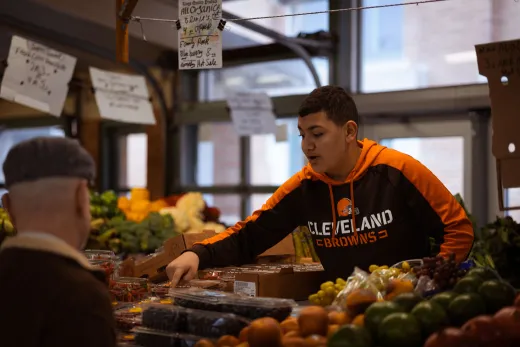
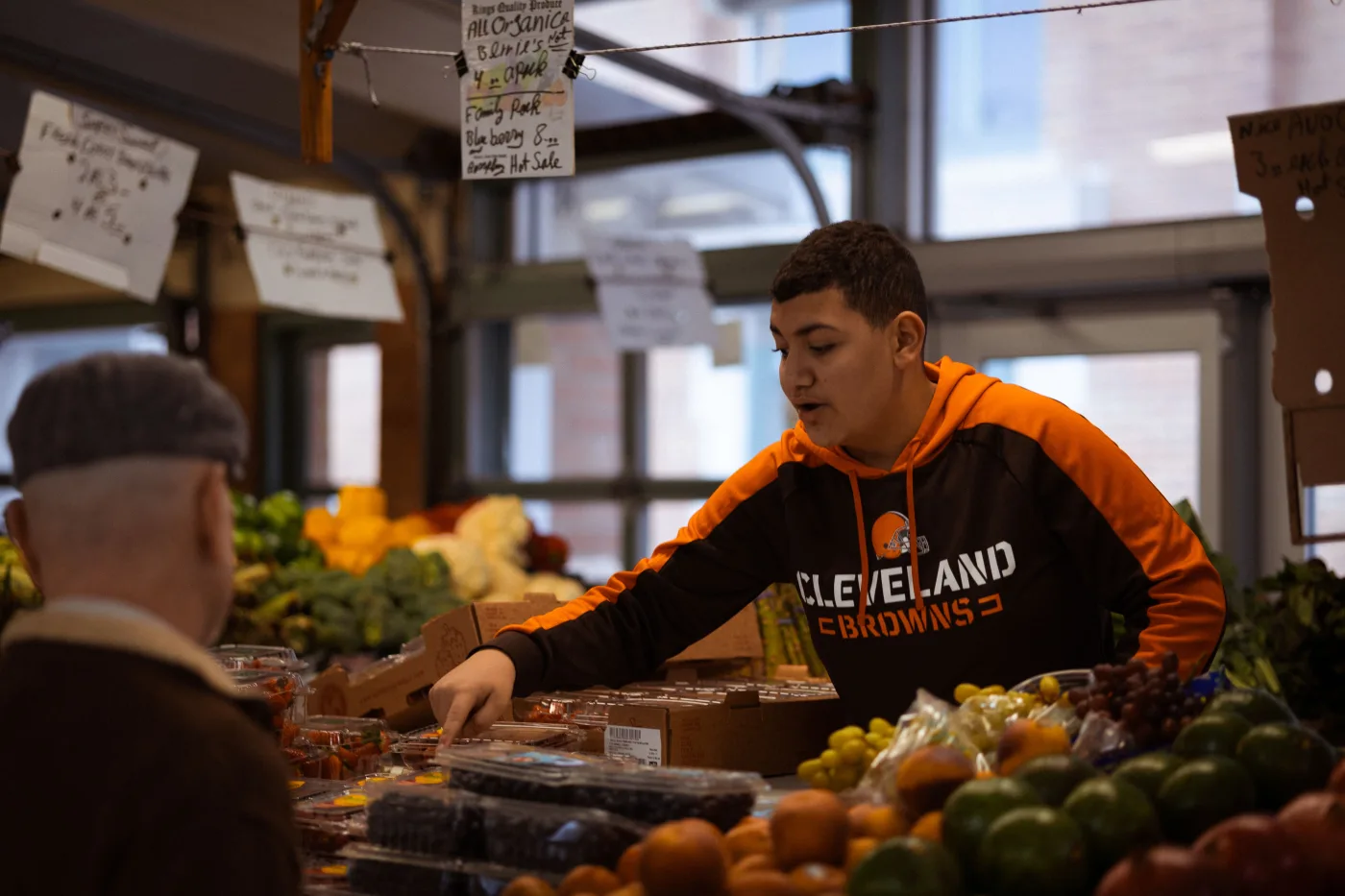
A food vendor is a business that sells prepared food or drink. The definition is deliberately broad, because the category is. At one end sit individual hawkers and street food traders working a market pitch or a van, often owner operated and specialised in one dish. In the middle sit sandwich and coffee suppliers, bakeries and small catering firms that deliver to offices. At the far end sit contract caterers who staff and run a client canteen, event caterers who build a service around a single day, and national foodservice operators with regional kitchens behind them.
They belong under one heading because a business buyer applies the same tests to every one of them. Can this vendor produce food safely and repeatably. Do they understand allergens. Are they insured. Can they deliver on time with no second chance. A twelve person start up buying Friday lunch and a manufacturer feeding four hundred shift workers are asking the same questions at different scales.
What separates food from other categories is perishability. There is no safety stock, no second delivery window and no returns process, and if the vendor fails the failure is visible to everyone in the building within minutes. That is why food deserves a more structured approach than its share of spend suggests.
Where organisations buy food services
Be clear which of these you are buying, because the vendor profile differs sharply between them.
- Office catering. Lunches, breakfasts and refreshments for meetings, training days and client visits. Volumes are small, frequency is high, and reliability matters more than culinary ambition.
- Staff canteens. A contractor runs a kitchen or servery on your premises, often daily. The most complex arrangement, because it involves your site, your staff as end users and usually a subsidy.
- Events and hospitality. Conferences, launches, board lunches and staff parties. High visibility, tight timelines and no chance to correct a mistake.
- Site and remote catering. Sites, plants and depots where staff cannot easily leave for food. Logistics, hot holding and consistency across shifts dominate.
- Vending and unattended supply. Machines, honesty shops and micro markets, usually run by one supplier under a placement agreement.
Each deserves its own specification. A vendor who is excellent at boxed lunches for thirty may be unsuited to running a servery, and a canteen contractor will rarely be competitive on a one off board lunch. Buying them all from one supplier for administrative tidiness is a common and expensive mistake.
Food safety and hygiene expectations
Food safety requirements vary considerably by country, and sometimes by region within a country, so treat what follows as the shape of the check rather than the check itself. Confirm the obligations that apply where the food is prepared and served, and ask your own legal or compliance function what you are required to verify as the buyer.
In general terms, expect a food vendor to be registered with the relevant local food authority, to operate a documented food safety management system based on hazard analysis principles, and to hold records for temperature control, cleaning, pest management and traceability. Staff handling food should have training appropriate to their role, evidenced rather than asserted. Where a jurisdiction publishes an inspection rating for food businesses, it is a reasonable minimum filter.
Ask for the documents, not the claims. A vendor saying they are "fully compliant" tells you nothing. Ask for the registration reference, the current inspection outcome, the food safety management documentation and the training records, then diarise the renewal dates against the vendor record. A certificate that expired eight months ago is far more common than an outright fraudulent one.
For canteen and site arrangements, add a physical inspection to the paperwork. Visit the production kitchen before appointment, and retain a contractual right to inspect any kitchen operating on your premises. For events, ask how food will be transported and held at temperature, because that is where most incidents originate rather than in the kitchen itself.
Allergens and dietary requirements
Allergen management is the sharpest edge of food buying, and the area where an organisation's own duty of care to staff and guests is most exposed. The legal framework again differs by country, but the operational expectations are consistent.
Ask how the vendor identifies allergens in every dish, how that information reaches the person eating the food, and what controls prevent cross contact during preparation, transport and service. Labelling on individual items beats a menu sheet left on a table, particularly for buffets where items get moved. For canteens, ask how allergen information is maintained when a recipe or an ingredient supplier changes, because that is where most labelling errors are introduced.
Beyond allergens, set dietary requirements as a standing specification rather than a per order request. Most organisations need vegetarian, vegan and common religious options as a matter of course, and asking each time invites inconsistency. Agree a default split, how it flexes with confirmed numbers, and that alternatives are equivalent in quality rather than a plate assembled from side dishes.
Insurance, licences and commercial checks
Due diligence for a food vendor is standard supplier vetting with a few category specific additions. Verify the legal entity and its trading history, run a financial check proportionate to the commitment, and take references from clients of comparable size and format. On insurance, expect public and product liability cover as a minimum, at limits reflecting the number of people served. Where vendor staff work on your premises, employer liability cover and their risk assessment belong on the file too. Check the policy is current and that the named insured matches the entity on your contract, a frequent mismatch with small caterers trading under a brand name.
Licences depend on the activity and the jurisdiction. Alcohol service, street or mobile trading, use of public space, waste carrier registration and specific event catering permissions may all apply. Make it the vendor's contractual obligation to hold and maintain whatever is required, and ask for evidence rather than assurance. Storing this against the vendor record with expiry dates that trigger a reminder is the difference between a controlled category and an annual scramble, and it is the same discipline behind any approved vendor list.
Pricing models and true cost
Food vendors quote in several ways, and comparing headline numbers across models is how buyers end up paying more than they expected.
Per head pricing dominates catering and events. It is easy to budget and compare, but check what the figure includes, because service staff, equipment hire, delivery and collection are frequently extra. Minimum spend arrangements suit venues and vendors committing capacity to you, and work only if your realistic volume comfortably exceeds the floor. Subsidised models apply to canteens, where the employer covers part of the cost and staff pay the balance. Cost plus management fee is the contract catering norm at scale: costs pass through and the operator charges a fee, which is transparent but needs auditing. Consignment or commission models cover vending, where the vendor funds the equipment and shares revenue.
Whichever model you use, measure cost per person actually served rather than per person ordered. Ordering for eighty and serving fifty five is a forecasting problem, not a catering one, and it distorts every vendor comparison until you fix it.
Evaluating food vendors, including tasting
Run compliance as a pass or fail gate first. No score elsewhere compensates for absent insurance or unverifiable food safety documentation. Once candidates clear the gate, score what differentiates them, using the same weighted approach you would apply anywhere else in procurement.
| Criterion | What to look for | Weighting |
|---|---|---|
| Food safety and hygiene | Registration, inspection outcome, documented management system, training records. | Pass or fail gate |
| Insurance and licences | Current cover at appropriate limits, correct named entity, activity licences held. | Pass or fail gate |
| Allergen management | Item level labelling, cross contact controls, process for recipe and ingredient changes. | High |
| Food quality | Tasting outcome, consistency across a repeat sample, presentation on arrival rather than in the kitchen. | High |
| Reliability | Delivery windows met, response to late changes, references from comparable clients. | High |
| Price and model | Cost per person served, what the rate includes, surcharge triggers, indexation terms. | Medium |
| Capacity and cover | Peak volume, second kitchen or contingency, cover for staff absence on your site. | Medium |
| Sustainability | Sourcing, packaging, food waste and surplus handling, transport footprint. | Medium |
| Account handling | Named contact, ordering method, invoicing accuracy, willingness to review performance. | Low to medium |
Sampling and tasting deserve a formal place in the evaluation rather than being treated as a pleasant extra. Ask shortlisted vendors to produce a representative menu, not a showcase one, and to deliver it as they would on a live order, at the same time of day and to the same location. Food that is excellent in a kitchen and mediocre after forty minutes in a van is a common outcome, and a staged tasting at the vendor's premises hides it entirely. Score with a small panel that includes the people who will eat the food, and repeat once for the leading candidate to test consistency.
Service levels, waste and sustainability
Write down what good looks like before the first order: delivery windows, order cut off times, the tolerance band on final numbers, temperature on arrival, setup and collection responsibilities, and the response time when something is missing. These terms decide whether the relationship feels easy or exhausting, and they are rarely in a vendor's standard proposal. Capture them the same way you would for any other supplier, as described in our vendor management guide.
Waste is worth measuring explicitly. Persistent over ordering is expensive and increasingly hard to defend, and the fix is shared: better forecasting from you, flexible portioning from the vendor, and an agreed route for surplus such as donation or staff take home where local rules allow it. Ask candidates what they do with surplus now, because the answer separates vendors who have thought about it from those who have not.
Sustainability and local sourcing are now scored criteria in most tenders. Reasonable areas to probe are ingredient provenance and seasonality, the share of spend with local producers, packaging that can actually be recycled in your building, reusable serviceware for on site catering, and transport. Ask for evidence proportionate to the contract size. A street food trader will not have a carbon report, and demanding one simply excludes smaller suppliers for no benefit.
Contracts, reviews and managing the relationship
Match the contract to the commitment. Ad hoc office catering rarely needs more than agreed terms, confirmed insurance and a purchase order. Canteen operation needs a full agreement covering term, subsidy mechanics, opening hours, staffing, equipment ownership, hygiene obligations, price review and exit, including what happens to the operator's staff at handover. Events sit in between and hang mostly on the cancellation and final numbers clauses.
Whatever the format, include a price review mechanism rather than leaving it open. Food costs move, and a vendor with no legitimate route to adjust prices finds an illegitimate one by shrinking portions or substituting ingredients. An annual review against a published index, or an open book conversation on defined cost lines, is healthier than a fixed price that quietly degrades.
Then review on a rhythm. A short quarterly session covering complaints, delivery performance, waste, staff feedback and upcoming volume changes is enough for most food vendors, with a fuller annual review for canteen contracts. The principles in our supplier relationship management guide apply here as much as to a manufacturing supplier, and food vendors respond to structured attention faster than most because their margins depend on predictable volume.
All of this works better when the vendor record is live rather than filed. Certificates, insurance documents, agreed rates, order history and logged issues belong somewhere the person raising the next order can see them, which is how ProcureWave handles supplier records generally. It also stops three departments each buying lunch from a different unvetted caterer because nobody knew an approved one existed.
Start with whichever food category carries the most risk or spend, usually the canteen or recurring office catering, and get that one properly specified, evaluated and contracted. The rest is easier once you have a template and a scoring approach you trust. If you would like to see how food vendors and their renewal dates sit alongside the rest of your supply base, get in touch and we will walk through it with your own categories.
Frequently asked questions
What is a food vendor?
A food vendor is any business that sells prepared food or drink to a buyer. The term covers a very wide range, from a single street food trader working a lunchtime pitch through to catering companies, sandwich and coffee suppliers, event caterers and contractors who run a staff canteen five days a week. For an organisation, a food vendor is simply a supplier whose product happens to be perishable, regulated and consumed on the day it arrives.
What should I check before appointing a food vendor?
Check the legal entity and its registration with the local food authority, current food safety and hygiene certification, allergen handling procedures, public and product liability insurance, employer liability cover where staff work on your site, and any licences the activity needs such as alcohol or a mobile trading permit. Then check the food itself through a tasting, and take references from clients of a similar size.
How much notice should a catering contract require?
Match the notice period to how perishable the commitment is. Daily office catering usually works on twenty four to forty eight hours for order changes, with a cut-off time written into the agreement. Large events commonly need final numbers seven to ten working days ahead, with a tolerance band of around ten per cent either side. Anything tighter than that will carry a surcharge, so agree it in writing rather than discovering it on the invoice.
Is per head pricing better than a minimum spend?
Per head pricing is easier to budget and easier to compare between vendors, so it suits recurring catering with predictable numbers. A minimum spend suits venues and events where the vendor is committing capacity to you and needs a floor to justify it. The risk with per head is padding on numbers that never show up; the risk with a minimum spend is paying for food nobody eats. Track actual attendance against what you were billed for and the right model becomes obvious within a quarter.
How do you manage food vendors once they are appointed?
Treat them like any other supplier with a live record, a named owner and a review rhythm. Keep certificates and insurance dates on the vendor record so lapses are caught before an order goes out, log complaints and shortfalls as they happen rather than reconstructing them later, and hold a short performance review each quarter. The same disciplines described in our vendor management guide apply, with food safety documentation added to the file.
Want to see this in your own numbers?
Book a tailored demo and we will show ProcureWave running on scenarios that match your business.
Get in touch